- info@ramsonsafaris.com
- +255 759 458261

Covering approximately 2,600 square kilometres, Tarangire National Park lies just south of the vast open grasslands of the southern Maasai Steppe. The park takes its name from the Tarangire River, which becomes the lifeline of the region during the dry season.
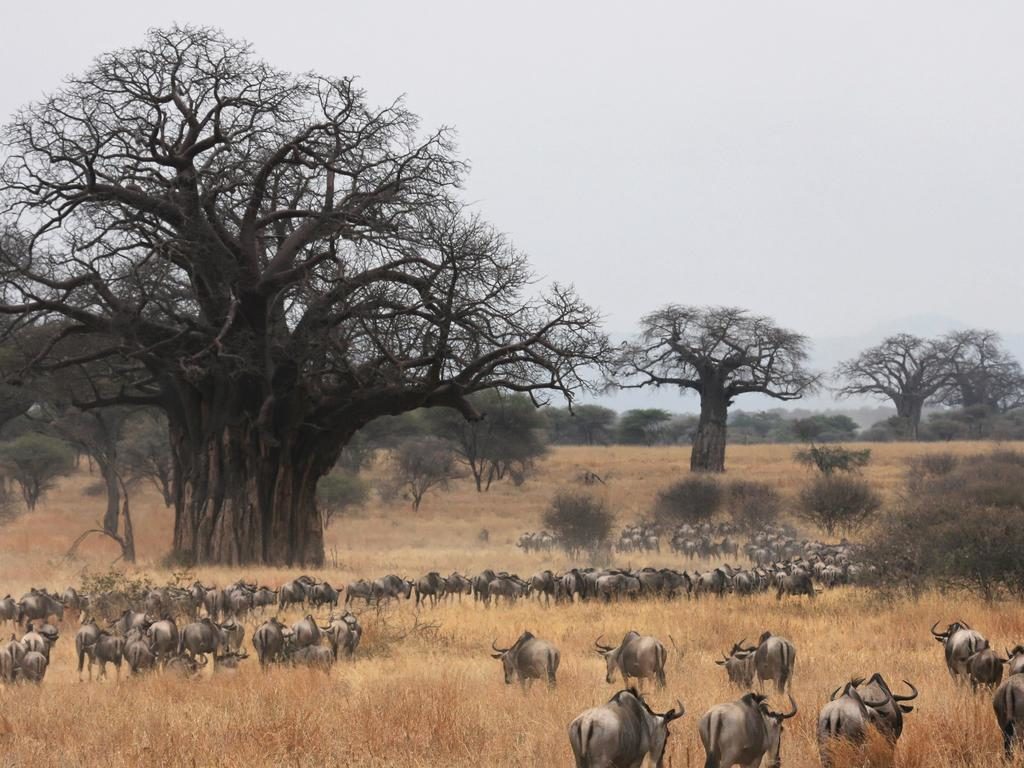
The prime time to visit Tarangire is from June to November (the dry season). As most other water sources dry up across the region, thousands of animals congregate along the Tarangire River in search of water. Huge herds of wildebeest, zebra, gazelle, and hartebeest gather here, creating one of the most impressive wildlife concentrations in northern Tanzania. After the short rains in November, the animals disperse in large migratory groups. Some move towards Lake Manyara, while others travel as far as Lake Natron near the Kenyan border. Once the long rains end, the herds gradually return to Tarangire, usually arriving back during the early dry season.
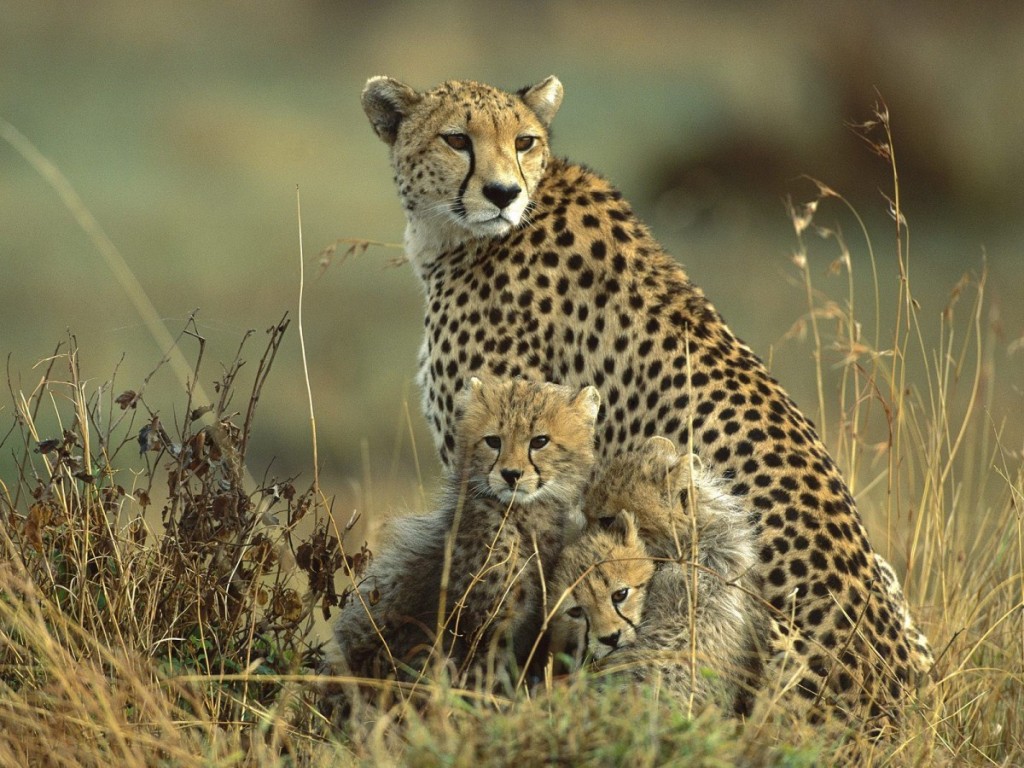
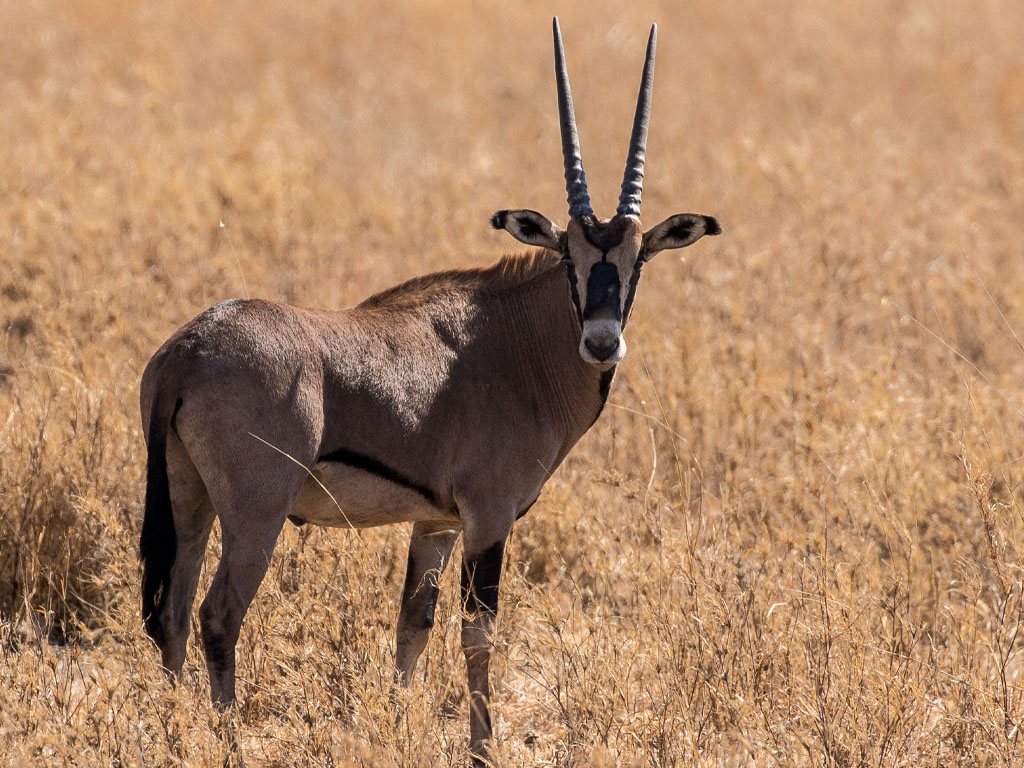
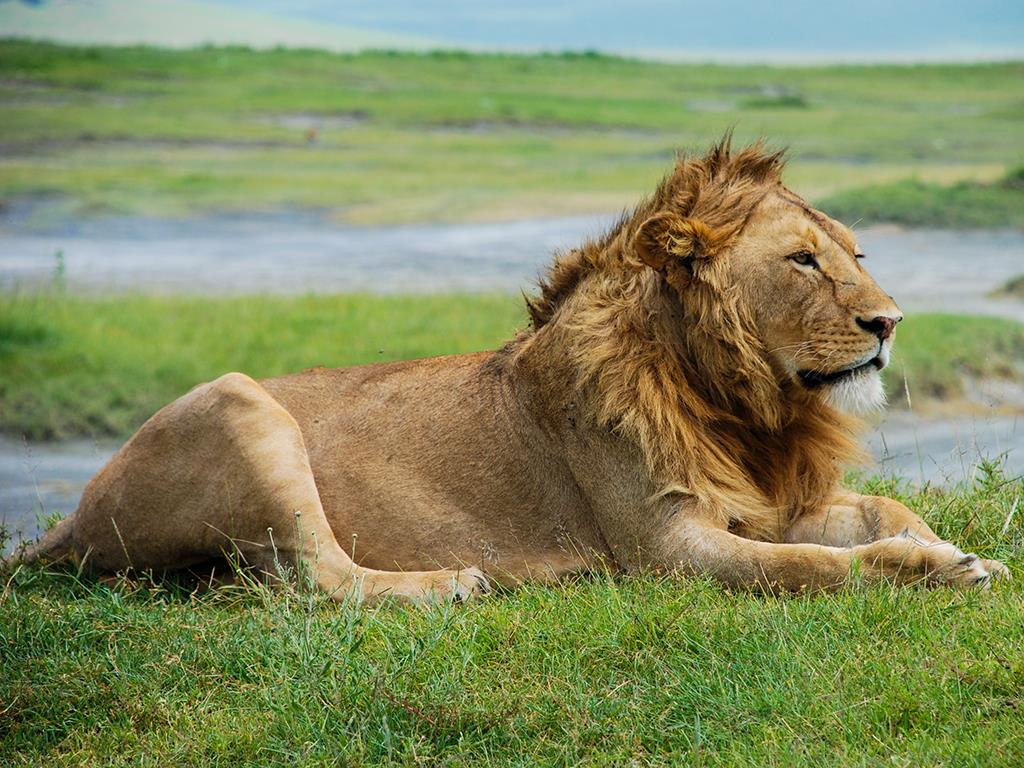
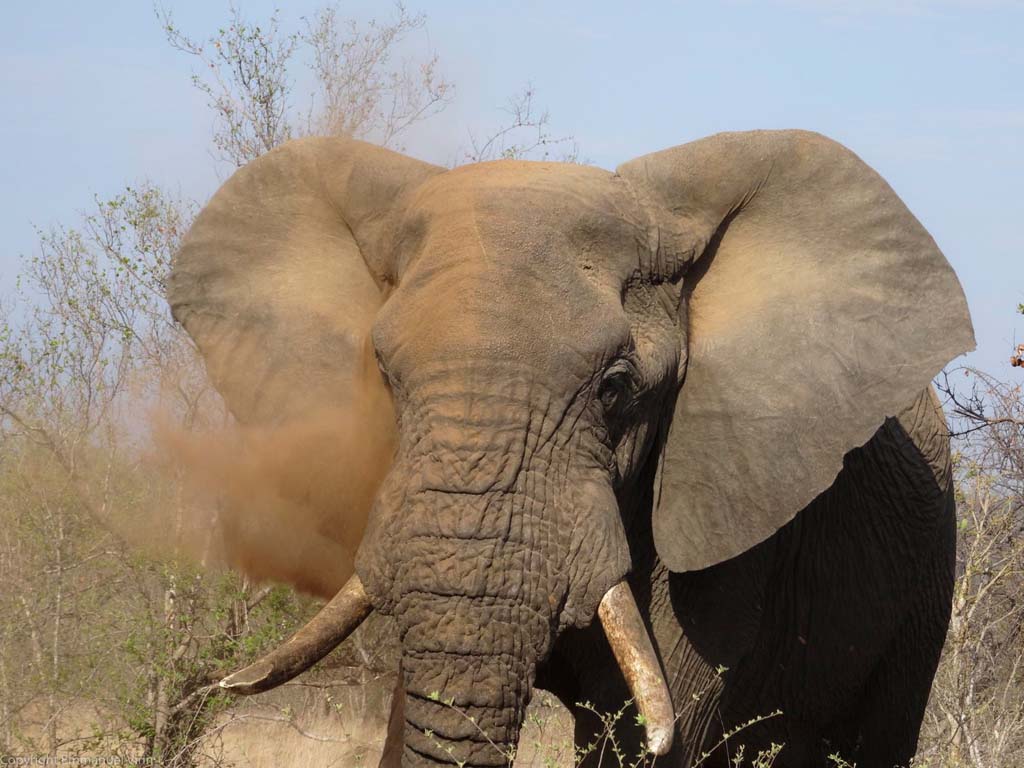
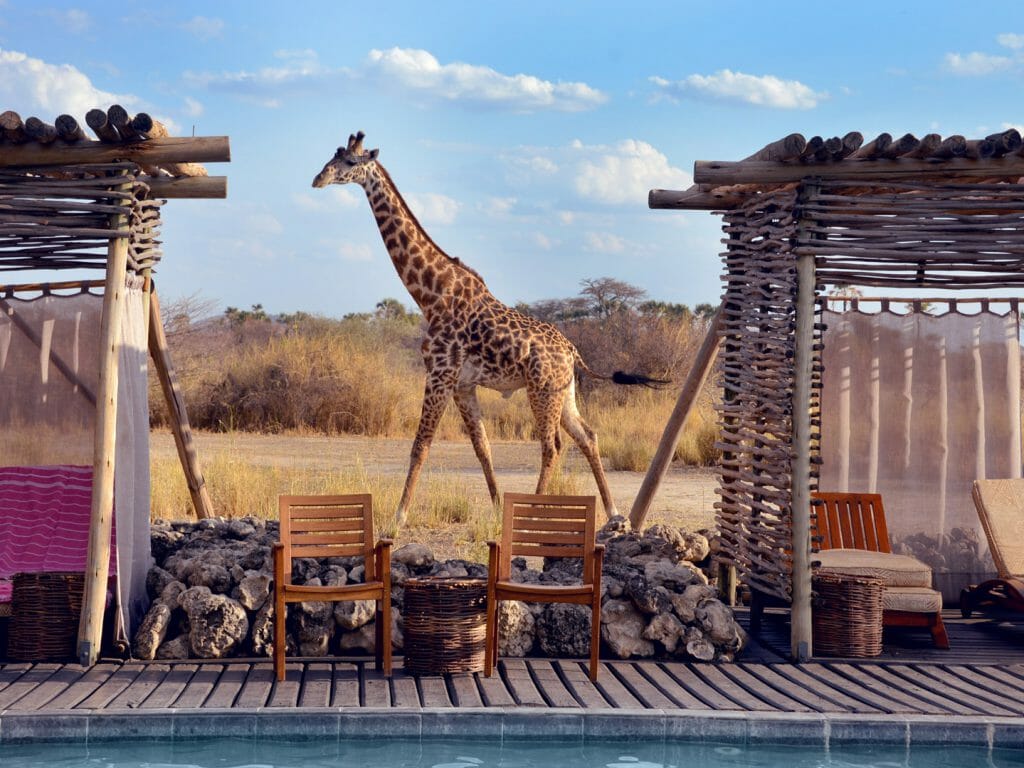
Tarangire offers a beautiful variety of landscapes, including open acacia grasslands dotted with massive ancient baobab trees, bush steppe, riverine forests, and swamps. The park is particularly famous for its large elephant population — one of the highest concentrations in northern Tanzania. Other common wildlife includes buffaloes, giraffes, waterbucks, greater kudus, oryx, lions, leopards, and spotted hyenas. With a bit of luck, you may even spot the rare tree-climbing pythons coiled around branches. Several game-viewing circuits are available: Burungi to the west, Lamarkau to the south, and Matete along the river, where acacia and baobab trees provide welcome shade for animals seeking relief from the sun. The presence of tsetse flies in the area makes it unsuitable for cattle grazing, which is one of the main reasons the region was protected as a national park — preserving it as a true wildlife sanctuary.
Tarangire is easily accessible and lies close to the main tarmac road between Arusha and Dodoma. The drive from Arusha to the park gate is approximately 115 km, taking about 1 to 1.5 hours.