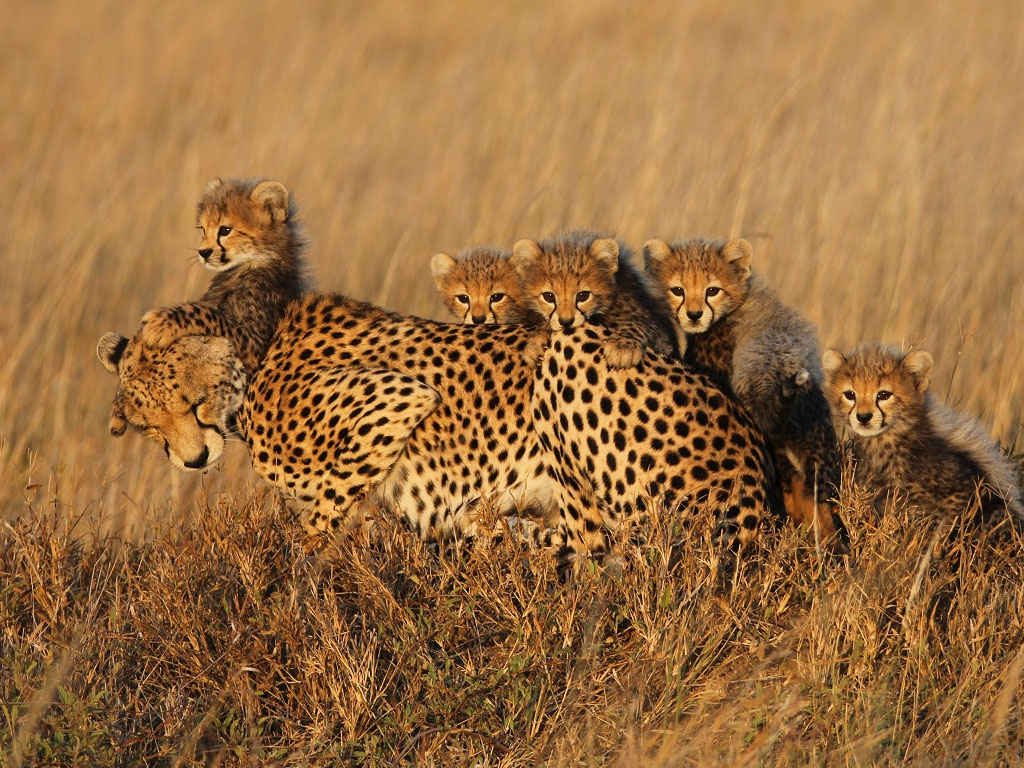
Serengeti National Park is Tanzania’s most iconic and world-famous wildlife sanctuary. Covering a vast 14,763 square kilometres, it is one of the largest national parks in Africa and a flagship for wildlife conservation. Established in 1951, the Serengeti was designated a UNESCO World Heritage Site and Biosphere Reserve in 1981. With over 4 million mammals, the park offers some of the best game viewing on the continent. It is home to enormous herds of wildebeest, zebra, Thomson’s gazelle, impala, topi, buffalo, Grant’s gazelle, giraffe, and warthog.
The Great Migration
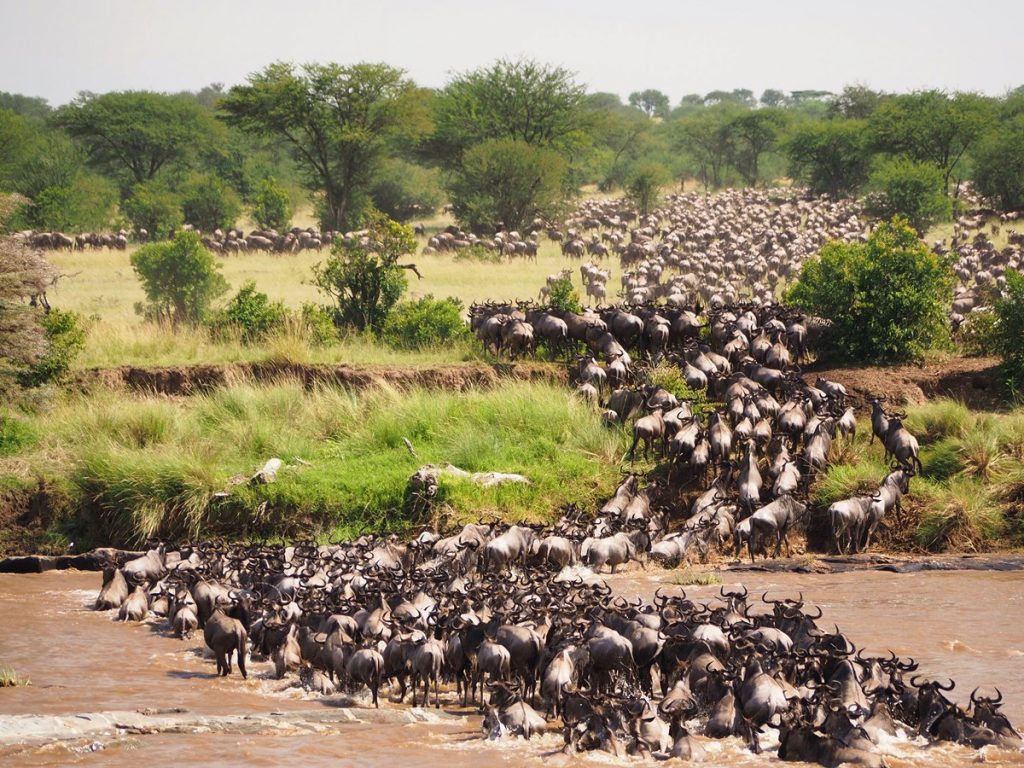
Every year between May and June, the famous Great Migration takes place. Hundreds of thousands of zebra and wildebeest thunder across the northern Serengeti in a dramatic 1,000-kilometre circuit, searching for fresh pastures, waterholes, and nutrient-rich grass. This spectacular “Race for Life” is one of nature’s greatest shows and can only be witnessed in the Serengeti ecosystem. Predators closely follow the herds, adding to the drama on the open plains.
Predators
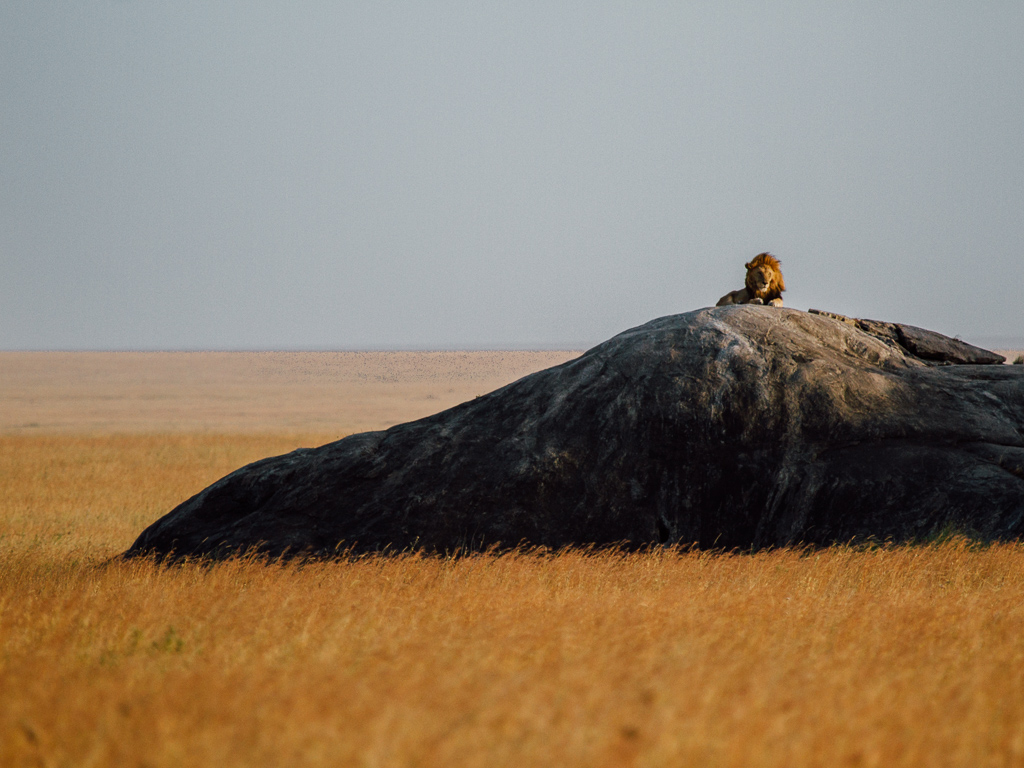
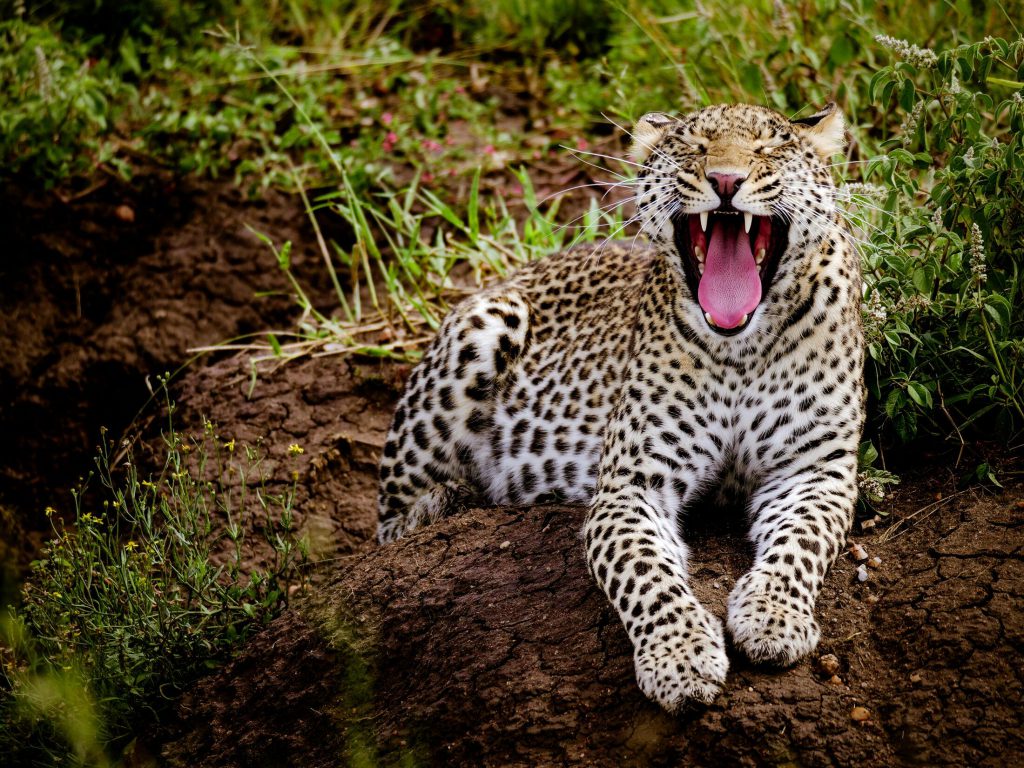
The endless grasslands make the Serengeti a true paradise for predators. While hyenas are the most numerous, the park is especially renowned for its lions. You would be very unlucky not to see several lions during your visit — including the magnificent black-maned males that the Serengeti is famous for.
Landscape
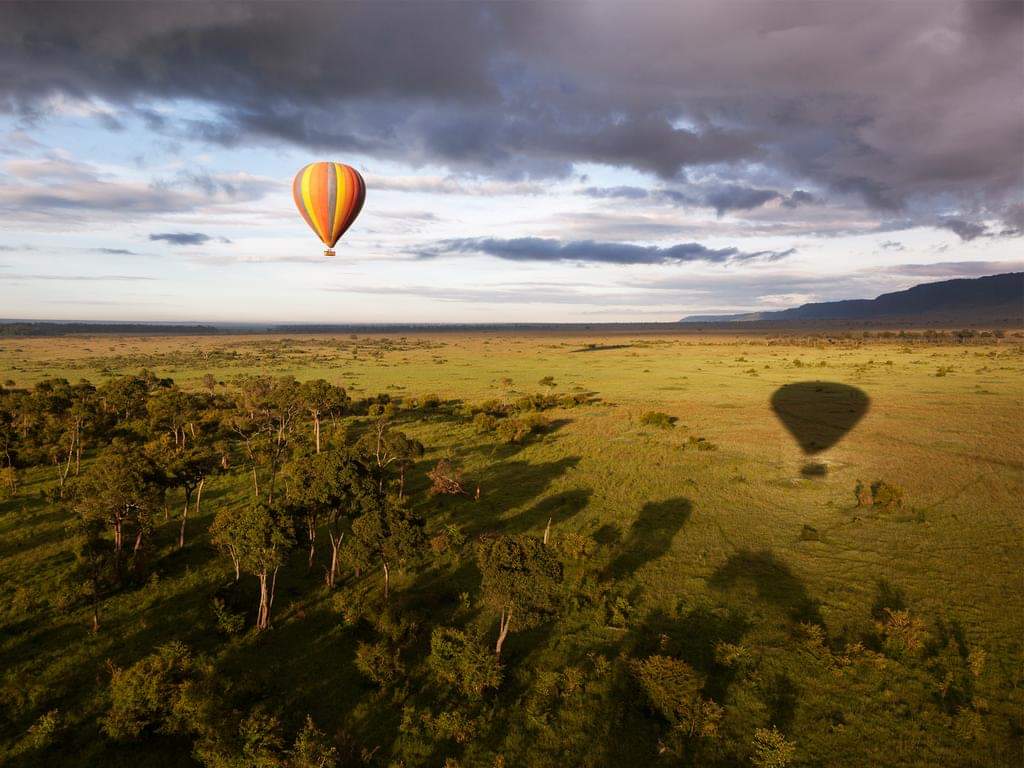
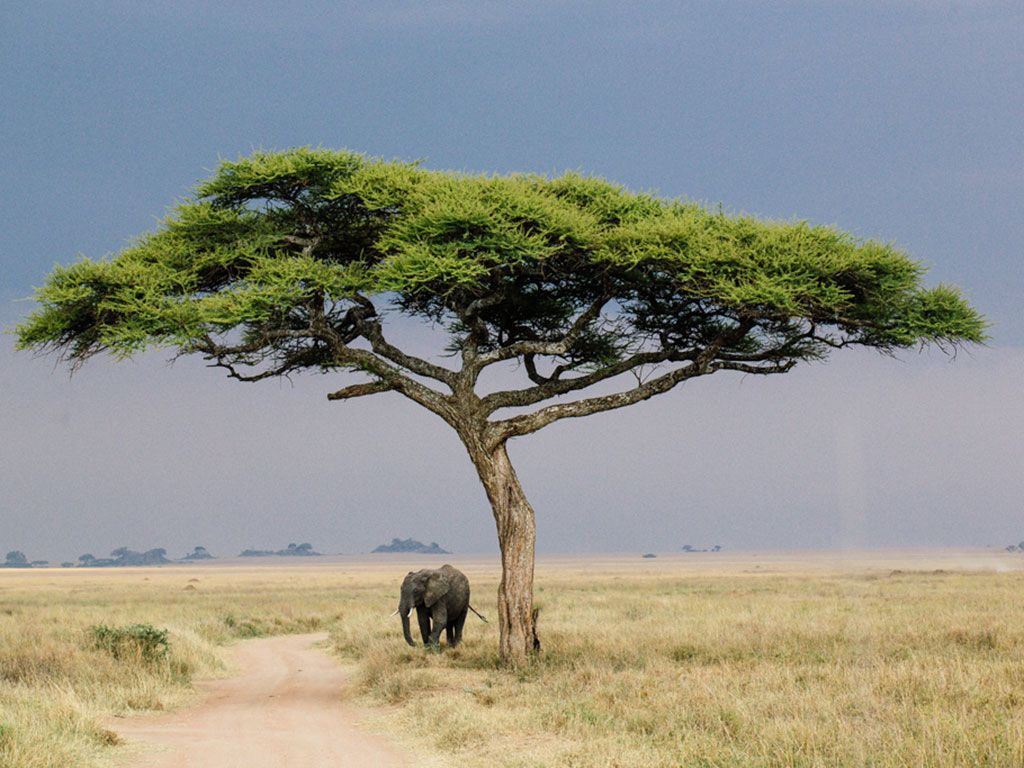
Upon entering the park at Naabi Hill, visitors are greeted by vast, treeless short-grass plains stretching as far as the eye can see. As you drive towards Seronera in the centre of the park, the grass becomes taller and scattered acacia trees appear. Further west towards the Western Corridor (near Lake Victoria) and north towards Lobo and the Maasai Mara, the landscape becomes more wooded and varied. The park lies between 900 and 1,850 metres above sea level.
Getting There
Most visitors reach the Serengeti from Arusha as part of a combined Northern Circuit safari that also includes Tarangire, Lake Manyara, and Ngorongoro Crater. The drive from Arusha covers approximately 320 km and takes about 6 hours. Alternatively, you can fly directly to the small airstrip at Seronera in the heart of the park.
Best Time to Visit