- info@ramsonsafaris.com
- +255 759 458261

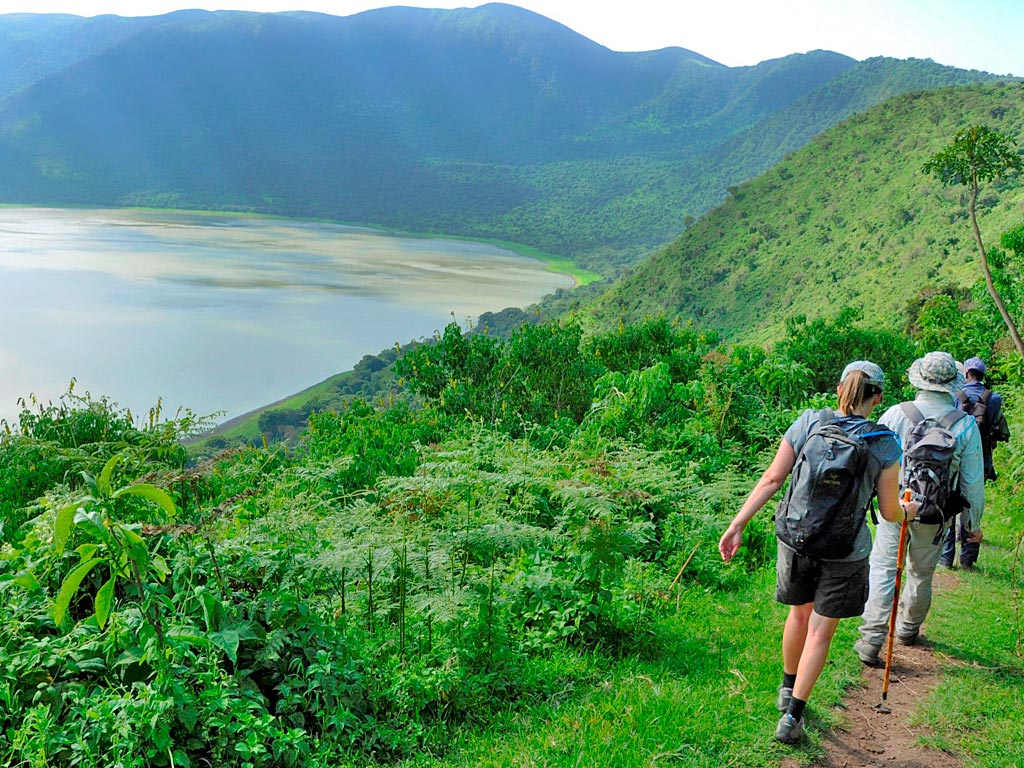
Long ago, Ngorongoro Peak stood almost as high as Kilimanjaro, forming one of the tallest mountains in Africa. Over time, the volcano collapsed into itself, creating the Ngorongoro Caldera — the largest unbroken, unflooded caldera in the world. Although geologists correctly call it a caldera, it is traditionally known as the Ngorongoro Crater. The crater is one of Africa’s greatest wildlife spectacles. Often called the “Eighth Wonder of the World,” its floor supports an astonishing concentration of around 300,000 animals, with numbers fluctuating seasonally as some migrate to and from the Serengeti.
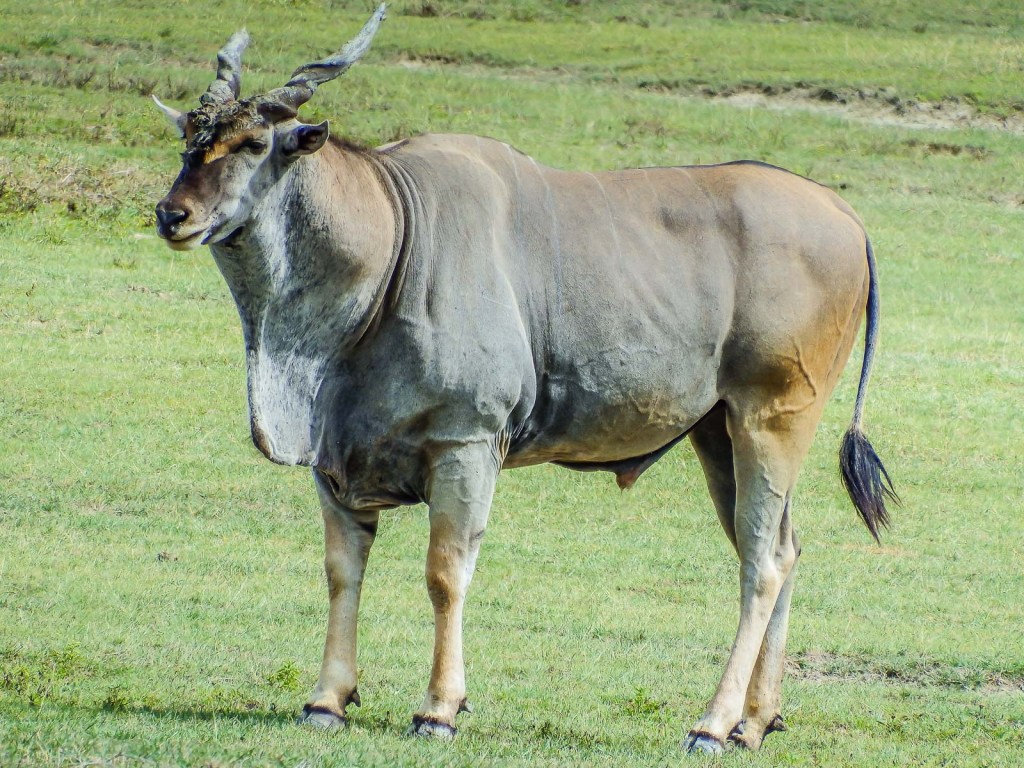
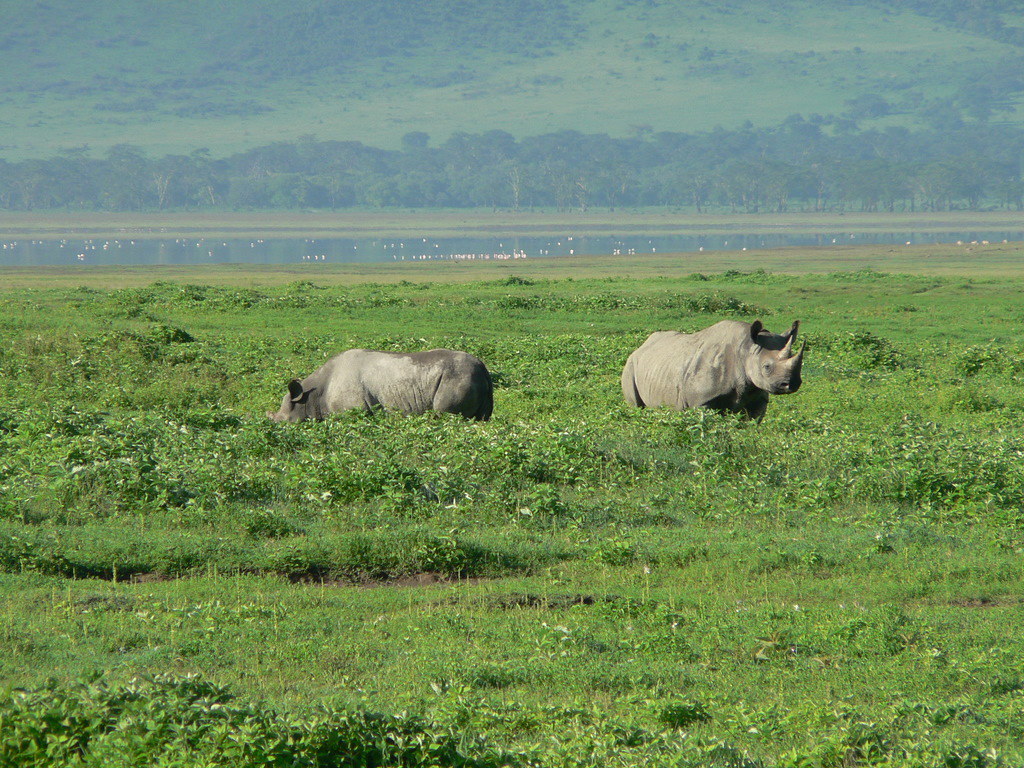
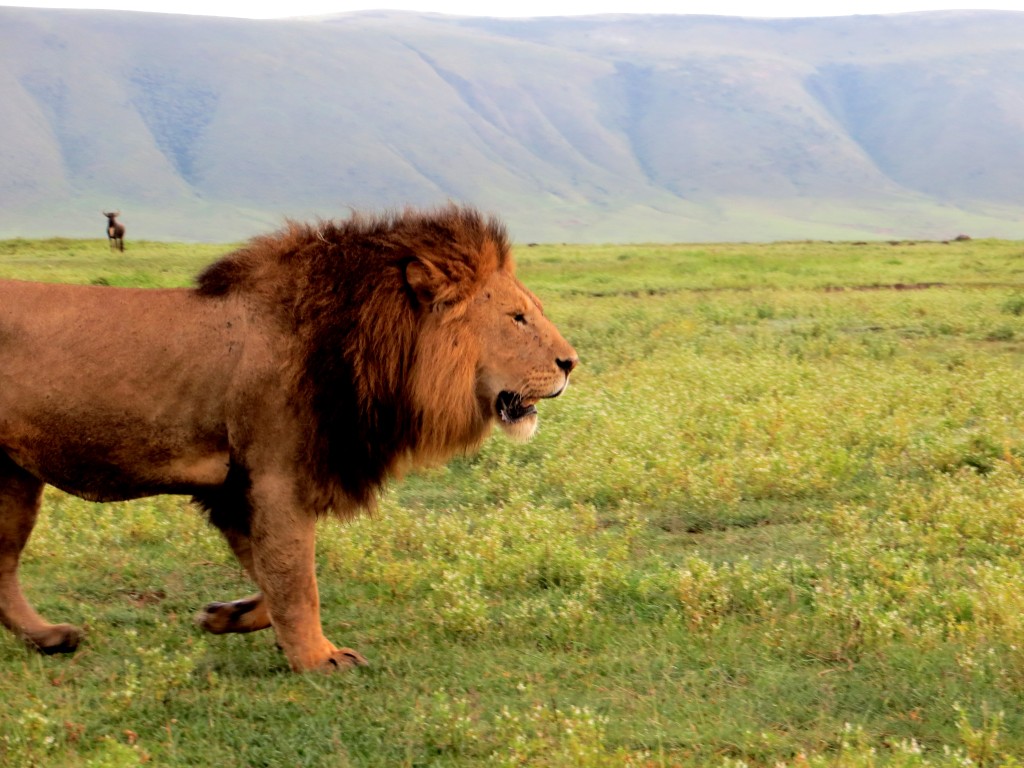
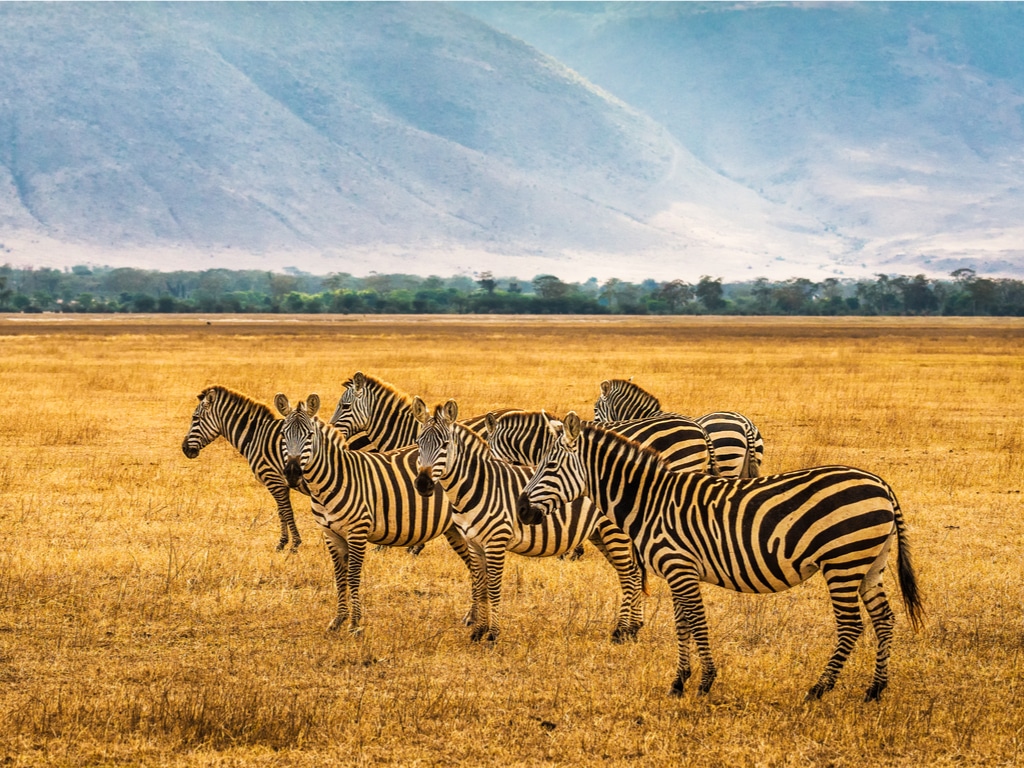
The largest herds consist of wildebeest, zebra, gazelle, and buffalo. In the forests and swampy areas, you can find hippos, elephants, waterbucks, baboons, and monkeys. Ngorongoro is one of the best places in Africa to see black rhinos. In the 1960s, over 100 rhinos lived permanently in the crater, but heavy poaching drastically reduced their numbers to fewer than 20. Thanks to strict protection and dedicated rangers, the population has now stabilised and is slowly increasing. Rangers follow the principle: “It is better that ten rangers die protecting the rhinos than one rhino being shot.”The crater also provides perfect conditions for predators. It supports approximately 100 lions and 400 hyenas — the highest density of predators per square kilometre in East Africa. Among the lions, you may spot magnificent black-maned males. Jackals and elusive serval cats are also frequently seen hunting near the waterholes and swamps. Ngorongoro offers one of the highest chances in Tanzania of seeing all of the Big Five — lion, leopard, buffalo, elephant, and rhino — in a single day.
Because the terrain is mostly flat and open, animals are relatively easy to spot. They are also more accustomed to vehicles than in many other parks, allowing you to get remarkably close for photography. However, it’s important to keep expectations realistic — you won’t see a rhino around every corner, and lions don’t perform on demand for tourists.
Descending into and climbing out of the crater requires a strong 4×4 vehicle (Land Rover or similar) due to the steep, winding roads. It is highly recommended to enter at sunrise so you can enjoy a full day inside the crater. Most visitors have lunch at the designated picnic site, where bold vultures sometimes swoop down to snatch food straight from your hands!
The crater is part of the much larger Ngorongoro Conservation Area, which covers 8,288 square kilometres and includes several volcanic mountains and craters. Until 1959, it was part of Serengeti National Park. It was later given separate status to balance wildlife conservation with the traditional rights of the local Maasai people. The Maasai are allowed to bring their cattle down into the crater for water during the day, but they must remove them by evening.
From Arusha, the drive to Ngorongoro is approximately 180 km and takes 4–5 hours, depending on road conditions. The route passes Lake Manyara and the lively town of Karatu. Your first breathtaking view of the crater comes at Heroes Point (2,286 m), where there is a monument honouring park staff who lost their lives fighting poachers. A short distance away stands another monument dedicated to the famous German conservationist Professor Bernhard Grzimek and his son Michael, whose books, films, and scientific work played a major role in protecting and promoting the wildlife of northern Tanzania. Michael tragically died in a plane crash in Ngorongoro in 1959.